

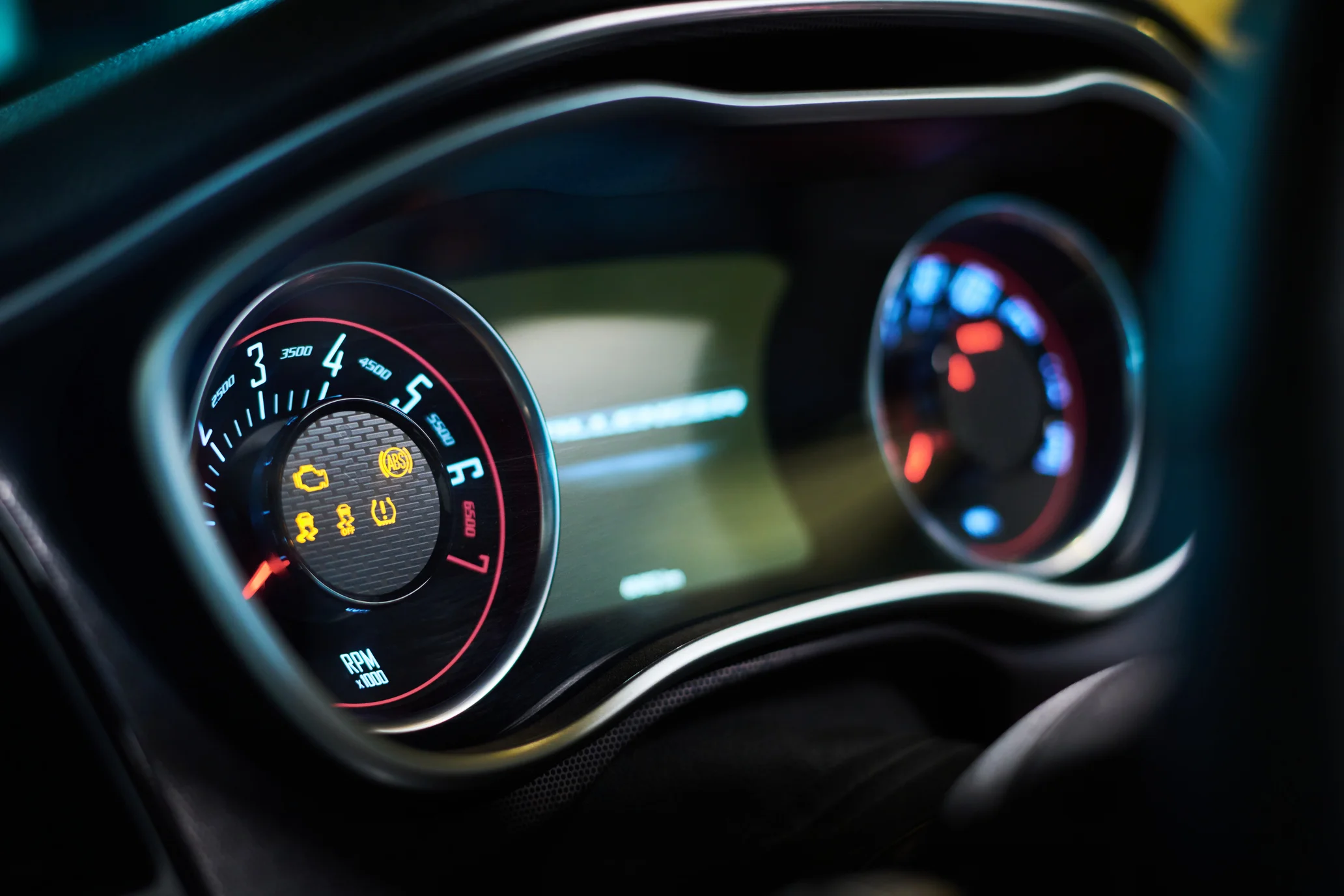
At Hybrid Point, we know that hybrid vehicles are smart, efficient, and engineered for longevity. But even the most well-designed systems need attention from time to time. Staying on top of your hybrid’s condition not only prevents costly repairs but also ensures you’re getting the best out of every kilometre. While regular maintenance is key, certain signs signal that your vehicle may need professional intervention—sooner rather than later.
Here are the top indicators that your hybrid needs expert care.
Warning Lights That Don’t Go Away
Hybrid dashboards are built to communicate efficiently with the driver. The most prominent signal? The dreaded warning light. Whether it’s the check engine light, hybrid battery light, or other system indicators, prolonged illumination is never just a glitch. These alerts are triggered by your car’s onboard diagnostics system (OBD), flagging faults in everything from your emissions system to the electric drivetrain.
In hybrid vehicles, the complexity of the software and sensors makes it essential to avoid DIY fixes or ignoring these lights. A persistent warning is your car’s way of asking for a diagnostic scan—ideally from professionals who understand hybrid architecture.
Driving smart starts with listening to your car before it demands your attention.
Noticeable Drop in Fuel Efficiency
One of the biggest perks of a hybrid is better mileage. So if you find yourself filling up more often or watching your range shrink, something isn’t right. A decline in fuel economy might indicate problems with your battery system, oxygen sensors, or even tire pressure issues—each of which can affect the delicate balance between your gas and electric components.
While external factors like aggressive driving and hilly terrain can influence fuel use, a consistent drop typically suggests internal inefficiency. Having your hybrid evaluated can pinpoint the cause and restore your vehicle’s fuel-saving potential.
Small tweaks in driving habits can help, but mechanical inefficiencies need a deeper look to make a real difference.
Strange Noises, Especially When Slowing Down
Hybrids are known for their quiet operation, particularly at low speeds or when switching between electric and combustion power. That’s why unusual noises—clicking, grinding, humming, or high-pitched whines—should never be ignored. These sounds might be coming from regenerative braking components, the electric motor, or even the transmission system.
If the noise occurs while braking or during transitions between power sources, it could indicate wear in components specific to hybrid vehicles. Left unchecked, these issues can escalate and affect overall performance.
Staying alert to mechanical feedback while driving can go hand in hand with energy-saving driving techniques.
Battery or Charging Irregularities
The hybrid battery is the heart of your vehicle’s electric system. While they are built to last years, signs of battery trouble can surface unexpectedly—slower starts, reduced electric-only range, frequent engine kicks even during low-speed drives, or temperature-related performance drops.
In plug-in hybrids, irregular charging times or inability to hold charge may point to deeper issues in the charging system or battery management. This is especially important if you notice your car charging significantly faster or slower than usual.
Professional testing of hybrid battery health is not only safer but provides insights into whether a full replacement is necessary—or if a recalibration or module repair can solve the issue.
Jerky or Delayed Acceleration
Hybrids should deliver smooth transitions between electric and gas modes. When your car hesitates, surges, or feels jerky during acceleration, it’s often a symptom of malfunction in power distribution systems or software coordination.
These symptoms might stem from a failing hybrid transmission, inverter issues, or sensor faults that interrupt the energy flow. While it may not be dangerous initially, delayed attention can lead to major component failure over time.
Addressing acceleration problems early ensures your hybrid remains responsive, safe, and efficient—especially during high-demand driving situations like merging or hill climbs.
Overheating or Cooling System Malfunctions
Unlike conventional vehicles, hybrids often have separate cooling systems for the engine and the inverter. If either system fails, it can cause overheating that affects the performance of both power sources. Warning signs include dashboard temperature alerts, visible steam, or an unusually loud cooling fan.
Neglecting cooling issues can lead to serious engine or inverter damage. If you sense even a mild increase in operating temperature, especially during summer drives or uphill trips, it’s wise to have it professionally examined.
When Silence Shouldn’t Be Golden
Hybrids are designed to be quieter than traditional cars, but if your vehicle starts running too silently even when it shouldn’t—like the gas engine not kicking in when expected—it could indicate an underlying problem. Similarly, if your hybrid appears fine on the outside but “feels off,” it’s usually best to trust your instincts and get it checked.
Practising proactive vehicle care is just as important as adopting mindful driving strategies to reduce long-term costs.
At Hybrid Point, we help you spot the signs early and take action before small problems grow into major expenses. Whether it’s diagnostics, battery work, or routine maintenance, we’ve built our reputation on honesty, precision, and dedicated service.
Your hybrid is a smart machine—make sure your maintenance decisions are just as smart.
Book your next service with us today at Hybrid Point and let our hybrid experts keep your vehicle performing at its best.